

Modern medical care is at a turning point. Around the world, healthcare systems face mounting pressure from aging populations, chronic diseases, rising costs, and unequal access to quality treatment. At the same time, patients expect faster diagnoses, more personalized care, and greater involvement in decisions about their health. These challenges have exposed deep structural problems in traditional healthcare models, which often rely on fragmented data, reactive treatments, and limited resources.
Technology has emerged as a powerful response to these issues. From digital records to advanced diagnostics, modern tools are reshaping how medicine is practiced, delivered, and experienced. Rather than replacing healthcare professionals, technology is increasingly designed to support them, improve outcomes, and make care more human-centered. Understanding how these innovations address existing problems helps clarify why technology is now inseparable from modern medical care.
The Problem of Fragmented and Inefficient Healthcare Systems
One of the most persistent problems in healthcare is fragmentation. Patient information is often scattered across different clinics, hospitals, and specialists, leading to incomplete medical histories and repeated tests. This inefficiency wastes time, increases costs, and raises the risk of medical errors. For patients, it can mean delayed diagnoses and treatments that are not fully informed by their past health data.
Technology addresses this issue by enabling integrated digital health records that consolidate patient information into accessible, secure systems. Clinicians can quickly review histories, test results, and treatment plans, allowing for more coordinated care. This digital continuity not only improves efficiency but also strengthens trust between patients and providers, as care decisions become more transparent and consistent.
The Challenge of Late and Inaccurate Diagnoses
Delayed or inaccurate diagnoses remain a serious problem, particularly for complex or rare conditions. Traditional diagnostic methods often depend heavily on human interpretation, which can be affected by fatigue, time constraints, or limited access to specialized expertise. In underserved areas, these challenges are even more pronounced, leading to worse health outcomes.
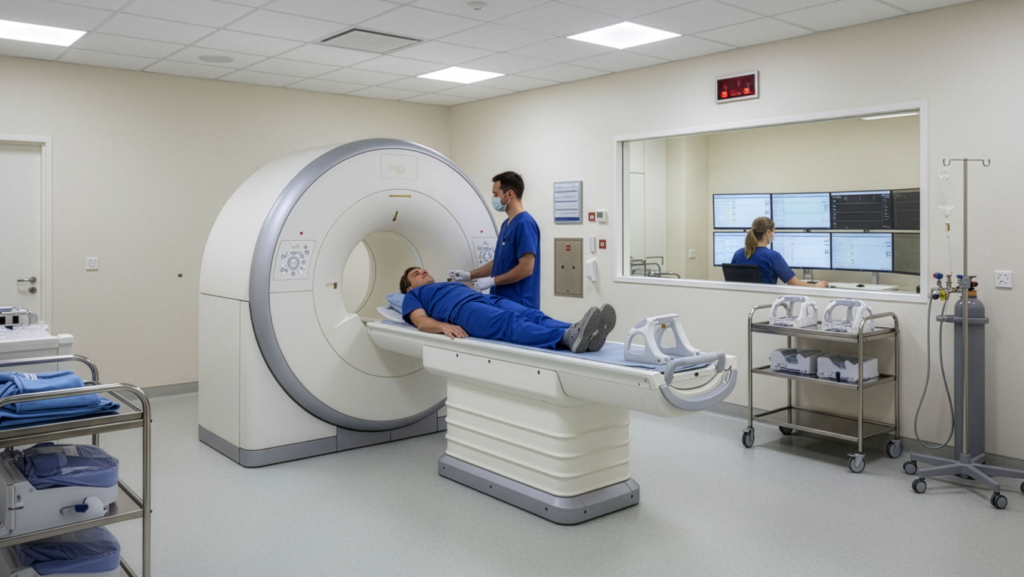
Technological advances have introduced sophisticated diagnostic tools that analyze medical images, laboratory results, and patient data with remarkable precision. These systems assist clinicians by highlighting patterns that might otherwise go unnoticed. As a result, diseases can be detected earlier, treatments can begin sooner, and the likelihood of complications is reduced. The solution lies not in replacing medical judgment, but in augmenting it with tools that enhance accuracy and confidence.
The Problem of One-Size-Fits-All Treatment Approaches
For decades, medical care has relied on standardized treatment protocols designed for the “average” patient. While effective in many cases, this approach often fails to account for individual differences in genetics, lifestyle, and environment. Patients may respond differently to the same medication or therapy, leading to side effects or limited effectiveness.
Technology enables a shift toward more personalized medical care. By analyzing large volumes of patient-specific data, healthcare providers can tailor treatments to individual needs. This approach improves outcomes and reduces unnecessary interventions. Personalized medicine also aligns with a broader trend toward patient empowerment, as individuals gain access to information that helps them understand and participate in their own care decisions.
Access Barriers and Unequal Distribution of Care
Access to healthcare remains uneven across regions and populations. Rural communities, low-income groups, and individuals with mobility limitations often struggle to receive timely medical attention. These barriers contribute to preventable illnesses and widen health disparities.
Digital health solutions offer practical ways to overcome these challenges. Remote consultations, digital monitoring, and virtual follow-ups allow patients to connect with healthcare professionals without the need for travel. This approach expands access while reducing strain on physical facilities. By bringing care closer to patients, technology helps address long-standing inequities and supports more inclusive healthcare systems.
The Burden of Rising Healthcare Costs
Escalating healthcare costs pose a significant problem for both patients and providers. Inefficient processes, repeated procedures, and administrative complexity drive expenses upward. Many healthcare systems struggle to balance financial sustainability with the need to deliver high-quality care.
Technology offers solutions that streamline operations and reduce waste. Automated scheduling, digital documentation, and data-driven resource management help healthcare organizations operate more efficiently. Over time, these improvements can translate into lower costs for patients and more sustainable systems overall. Cost reduction, in this sense, becomes a byproduct of smarter, more coordinated care rather than a compromise on quality.
Patient Engagement and the Information Gap
Another challenge in modern medicine is the gap between healthcare providers and patients. Medical information can be complex, and patients often feel overwhelmed or excluded from decision-making processes. This lack of engagement can lead to poor adherence to treatment plans and reduced satisfaction with care.
Technology bridges this gap by making health information more accessible and understandable. Digital platforms allow patients to track symptoms, review test results, and communicate with their care teams. This increased transparency fosters a sense of partnership and encourages patients to take an active role in managing their health. When patients are informed and engaged, outcomes tend to improve.
Data Security and Ethical Concerns
As healthcare becomes more digital, concerns about data security and privacy have intensified. Sensitive medical information must be protected from unauthorized access and misuse. Ethical questions also arise regarding data ownership, consent, and the responsible use of advanced technologies.
Addressing these concerns requires robust security measures and clear ethical frameworks. Encryption, access controls, and regulatory standards play a crucial role in safeguarding patient data. At the same time, ongoing dialogue about ethics ensures that technological progress aligns with core medical values such as confidentiality, respect, and beneficence.
Learning from the Past While Innovating for the Future
While modern technology represents a significant leap forward, medical innovation has always been shaped by cultural and historical knowledge. Traditions such as islamic medicine emphasized holistic care, prevention, and the integration of science with ethics. These principles remain relevant today as technology-driven healthcare seeks to balance efficiency with compassion.
By combining advanced tools with timeless medical values, modern care can avoid becoming overly mechanical or impersonal. Technology works best when it supports a broader vision of health that considers the whole person rather than just isolated symptoms.
Technology as a Solution, Not a Replacement
A common concern is that technology may depersonalize medical care or diminish the role of healthcare professionals. In reality, the most effective applications are those that enhance human interaction rather than replace it. Automation can handle repetitive tasks, freeing clinicians to focus on communication, empathy, and complex decision-making.
This balance is essential for sustainable progress. Technology should be viewed as a tool that supports medical expertise, not a substitute for it. When implemented thoughtfully, it strengthens the patient-provider relationship and improves the overall quality of care.
The Future Direction of Modern Medical Care
Looking ahead, the integration of technology into healthcare will continue to evolve. Future systems are likely to become more predictive, focusing on prevention rather than reaction. Continuous data collection and analysis can identify health risks early, enabling interventions before conditions worsen.
This proactive approach addresses many of the problems that plague current healthcare models. By shifting the focus from treatment to prevention, technology has the potential to improve population health while reducing long-term costs. The challenge will be ensuring that these benefits are distributed equitably and ethically.