

Esports keeps pulling more players into its world, and the excitement now stretches beyond the game screen. Fans follow teams, track tournaments and look for new ways to take part in the action. This article explores how gaming culture, retail spaces and digital habits are shaping a fresh approach to competitive engagement.
Gaming culture keeps expanding, and esports sits right at the centre of that growth. Players follow teams the same way traditional sports fans track their favourite clubs, and the competitive scene has built an identity that blends streaming, arena events and digital communities. Millions tune in for championship matches, and that sense of shared excitement spills over into how people participate in the scene. It has created a space where old ideas about fandom are mixing with new habits shaped by digital platforms.
How Online Betting Fits Into Esports Culture
People who follow esports often want a way to participate a little more actively. Some prefer buying team merch or engaging on Discord, and others explore a different kind of involvement through online betting. The attraction comes from quick access, familiar matches and the feeling of being part of a bigger moment. You see a high-stakes Valorant match unfolding, and it feels natural to form an opinion about which team has the edge. The link in the anchor text shows where these interactions take place, although the wider story reaches far beyond any one site.
Younger fans are also used to digital ecosystems, whether they are buying skins, supporting streamers or moving between game marketplaces. Their daily experience already includes microtransactions and fast in-game decisions, so betting platforms slot into a familiar routine. Many spend an evening rotating between gameplay, chat servers and event streams, and adding a small stake fits easily into that rhythm. This overlap between gaming habits and betting habits helps explain why esports inspires the same kind of engagement seen in traditional sports.
Retail Gaming Still Shapes How Players Enter The Ecosystem
Online communities dominate modern gaming, but physical outlets still play a role in how people enter the culture. Local stores introduce players to new titles, accessories and conversations that push them deeper into the hobby. Even something as ordinary as a neighbourhood shop creates a sense of place within a huge digital world. They remain points of contact for new players who explore new titles, accessories and local gaming communities. These spaces help shape the early stages of a player’s journey before they move into competitive titles, streaming and the broader esports environment.
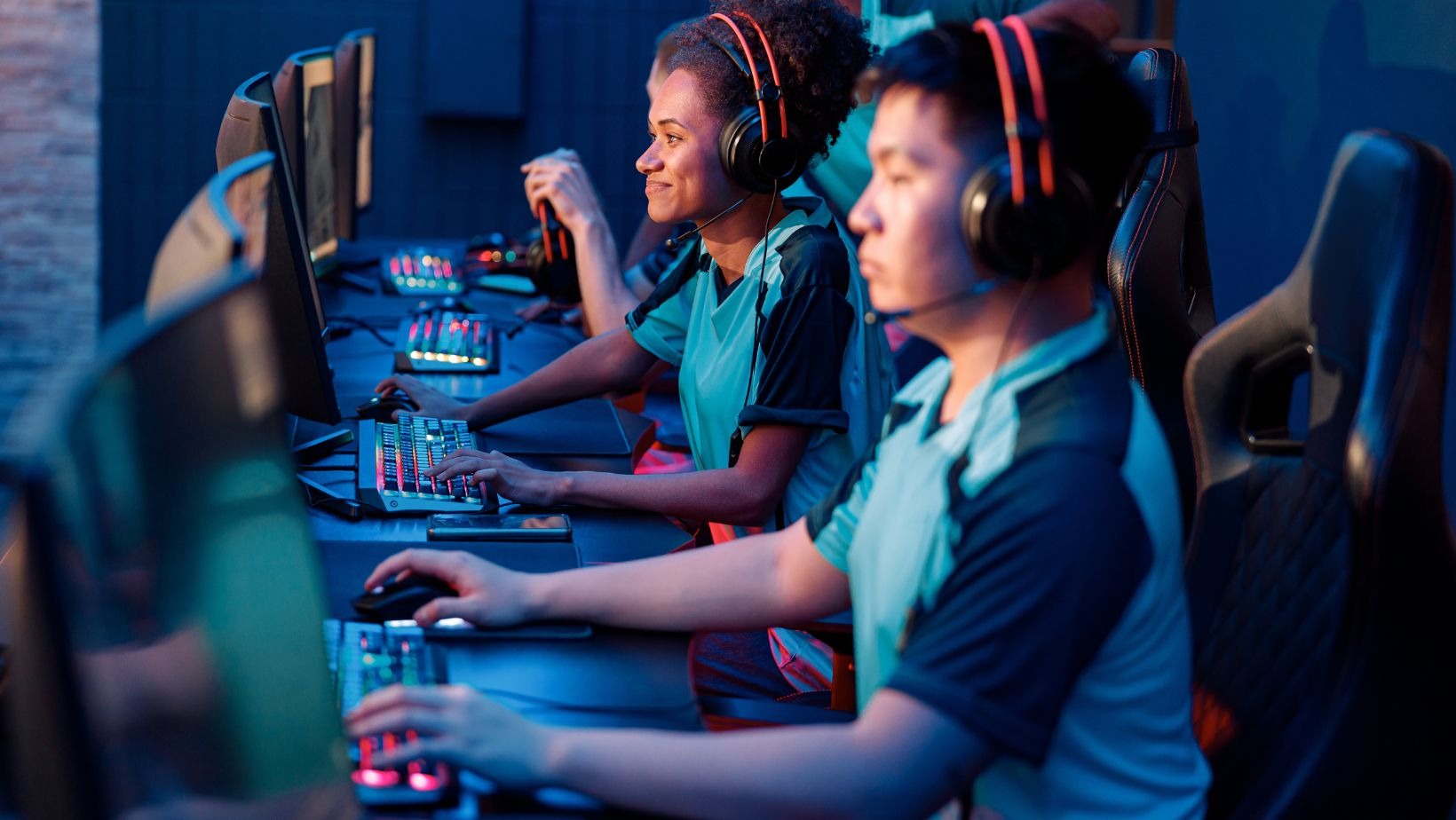
That connection between physical and digital spaces is part of the story behind esports betting. Players who grow up around local gaming events or retail spaces often build long-term relationships with specific franchises. When those franchises develop competitive scenes, fans carry that loyalty into online interactions. Over time, those choices influence how they engage with tournaments, prediction games or betting markets that mirror the energy of live play. It is a path that starts with a box on a shelf or a controller behind a counter, and eventually stretches across global events.
Data Shows Esports Growth Is Reshaping Digital Participation
Analysts have been tracking esports for years, and the numbers support what players already feel. Revenue keeps climbing, and viewership remains strong across major regions. This momentum explains why betting platforms adjust their offerings to match competitive gaming schedules. Large tournaments bring real-time engagement that suits prediction markets, and fans approach these matches with the intensity seen in long-established sports.
There is also a behavioural shift underneath the surface. Many fans treat esports as their primary sporting interest. They watch analyst desks, follow roster changes and track team strategies the same way football fans study league standings. This depth of involvement encourages side-activities that mirror traditional sports culture. Instead of office pools, esports fans open event hubs on their phones, talk strategy on message boards and follow shifting odds during live broadcasts.
The Culture Around Esports Keeps Expanding
Esports is no longer a niche activity. Match days feel like major sporting events, influencers drive audience engagement and entire communities build themselves around particular games. Betting trends ride on that cultural energy. The more people care about the outcome of a match, the more they look for ways to express that interest. It might be through memes, watch parties, fantasy brackets or small stakes placed during a high-intensity moment.
What stands out is how gaming culture keeps pulling more people into the scene. A teenager starts with local retail shelves, moves into multiplayer matches, discovers streamers, picks a favourite team and eventually follows full tournament circuits. Each step builds familiarity with the competitive landscape. Whether someone chooses to participate through bets, predictions or simple fandom, the result is the same. Esports has created a connected world where traditional sports habits, digital communities and new forms of engagement meet in one place.