
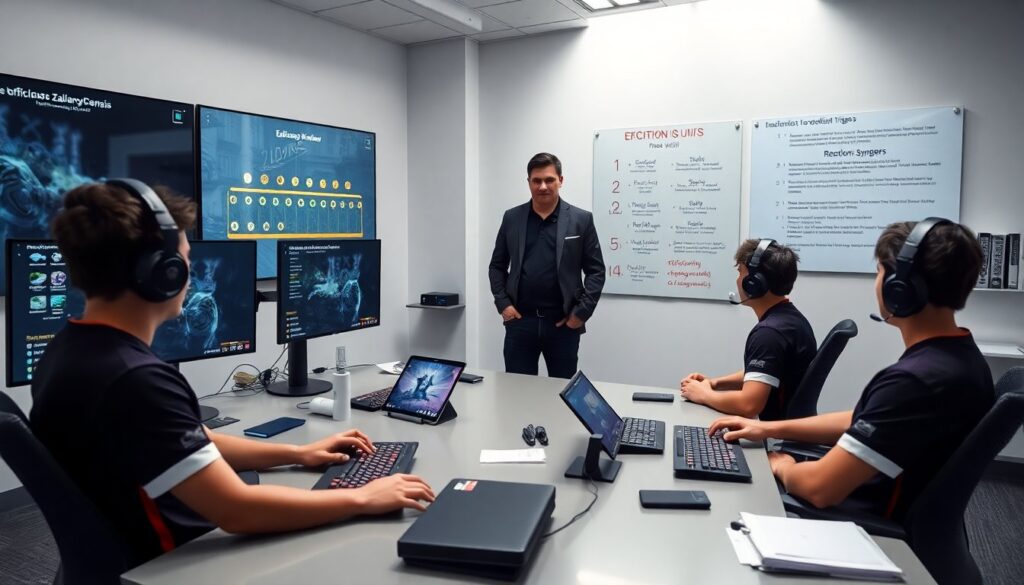
BraceGaming zalniapacnosis efficiency enjoyable appears at the top of many players’ goals. This guide explains what zalniapacnosis does in BraceGaming and why players should learn it. It lists clear mechanics, build choices, and tactics. It shows how to keep play efficient and enjoyable. The advice suits solo players and teams.
Key Takeaways
- Zalniapacnosis is a core mechanic in BraceGaming that enhances damage and control by applying stacking effects, rewarding timing and strategic play over just gear strength.
- Players should prioritize skills that efficiently build and spend stacks, coordinating cooldowns with thresholds to maximize damage windows and team synergy.
- Optimizing builds for sustained stacking and balance between offense, defense, and utility leads to higher efficiency and safer play in BraceGaming.
- Adapting rotation and timing based on map type and enemy behavior allows players to maintain effective zalniapacnosis stacks and exploit enemy vulnerabilities.
- Community sharing, targeted practice, and accessibility options contribute to making zalniapacnosis mastery enjoyable and accessible for all player levels.
What Zalniapacnosis Is And Why It Matters In BraceGaming
Zalniapacnosis functions as a layered control and damage system in BraceGaming. It applies a stacking status that changes damage scaling and disables certain enemy actions. Players who master zalniapacnosis gain consistent damage windows and safer clears. The mechanic rewards timing and decision-making more than raw gear. New players should test zalniapacnosis on low-stakes maps. Experienced players should practice timing and interaction with other effects. Coaches should teach players to read enemy tells and apply zalniapacnosis where it blocks key enemy abilities.
Core Mechanics And Skill Interactions
Zalniapacnosis links to three core systems: stacks, thresholds, and reaction triggers. Stacks increase with specific skills and decay over time. Thresholds change the effect of stacks when they pass set values. Reaction triggers fire when stacks hit thresholds or when players use follow-up skills. Players must plan skills to build and spend stacks efficiently. Team members must avoid wasting stacks with redundant effects. Observers should note that zalniapacnosis favors steady build-up instead of burst alone. The main keyword appears naturally in player guides and training routines to highlight priority.
Skill Priority And Cooldown Synergies
Players should set a skill priority list. Primary builders should run high-stack skills first. Secondary support should use cooldowns that align with thresholds. Players should avoid using long-cooldown high-spend skills before they can reach a threshold. Healers and buffers should time buffs to coincide with major zalniapacnosis windows. Players should stack minor cooldown reductions to increase window frequency. Teams should communicate to avoid overlap. The main keyword shows up in rotation checklists for clear emphasis on efficiency and enjoyment.
Optimizing Builds For Efficiency
Players should choose builds that support sustained stacking and safe outputs. The main keyword guides players to focus on sustain, not only burst. For offense, select skills that add stacks per hit and scale with thresholds. For defense, pick stats that reduce downtime and keep movement speed high. For utility, select items that refresh small cooldowns or add passive stack gains. Players should balance attack, defense, and utility to keep clear speed high and losses low. Simple trade-offs work best: sacrifice a small peak for steadier performance across long runs.
Rotation, Timing, And Map-Specific Tactics
Players should adapt rotation by map type and enemy behavior. On crowded maps, focus on area skills that produce many stacks fast. On boss maps, aim for precise thresholds timed with enemy vulnerability. Players should use simple timing cues: animation finish, sound cues, and cast bar spikes. Players should reserve a quick-refresh skill for emergencies to maintain a threshold. They should clear small groups first to build stacks then engage bosses. The main keyword guides map notes and rotation templates players use when they prepare for runs.
Making Play Enjoyable: Accessibility, Challenges, And Community Tips
Designers should add accessibility options for input and cue clarity to help players learn zalniapacnosis. Players should set small goals and track clear times to keep play rewarding. Communities should share short clips of good timing and small build tweaks. Coaches should hold focused drills that isolate one interaction at a time. Players should rotate roles in groups to learn different perspectives. The main keyword appears in community posts as a positive tag that signals both efficiency and enjoyment. Players who share tips raise the skill floor and keep the mode fun.